
Kardamyli
Kardamyli is a beautiful and picturesque seaside village in the region of Messenian Mani, characterized by its stone-built towers, countless Byzantine churches, and monasteries scattered across its lush hillsides. Just 35 km from Kalamata, it serves as a popular escape for locals and visitors from other regions, thanks to its easy access. The name Kardamyli is derived from the numerous watercress plants (kárdama) that once grew in the area, and in earlier times, it was known as Skardamoula.
History of Kardamyli
Kardamyli was one of the seven cities Agamemnon offered to Achilles to win his favor during the Trojan War, specifically to convince him to return to battle in exchange for Briseis.
Initially, Kardamyli was under Spartan control. However, after the Battle of Leuctra in 371 BC, control passed to the Messenians. From 146 BC, Kardamyli became part of the Union of the Laconians. It was connected to Sparta by the “Royal Road,” parts of which are still visible today.
From the late 17th century, the history of Kardamyli is intertwined with the Palaiologos-Troupakis family, a powerful dynasty that maintained control over the area for nearly 200 years. During their rule (18th–19th centuries), Kardamyli became a hub for pirate activity. Even during the Kapodistrian period, the village served as a refuge for foreign pirates. On January 6, 1821, Theodoros Kolokotronis arrived from Zakynthos and was hosted in the tower of Panagiotis Troupakis (Mourtzinos). From here, the plan to launch the Greek War of Independence with the capture of Kalamata was organized.
Taygetos Mountain
Every year, more and more visitors are drawn to the embrace of Mount Taygetos due to its natural beauty and hiking trails. Mountain forests, meadows, cliffs, and rocky ecosystems fill visitors’ senses and hearts. Activities like hiking, rock climbing, mountain biking, and birdwatching attract nature enthusiasts to these mountain escapes.
Taygetos is the highest mountain range in the Peloponnese, with its peak, Prophet Elias, reaching an altitude of 2,407 meters. It is a unique environment of immense natural value, designated as a “Special Protection Area” at the European level (GR2550009 “Mount Taygetos–Langada Trypis”).
Golden eagles, imperial eagles, booted eagles, and Bonelli’s eagles are among the most well-known of the 32 protected bird species, along with endemic flora and reptile species, that contribute to Taygetos’ unique mosaic of biodiversity.
Hiking Trails
Each year before the Taygetos Challenge race, the trails are marked and cleared manually to promote the area and ensure the safety of the athletes. It is worth noting that two-thirds of the race’s trails pass through the protected Natura 2000 zone.
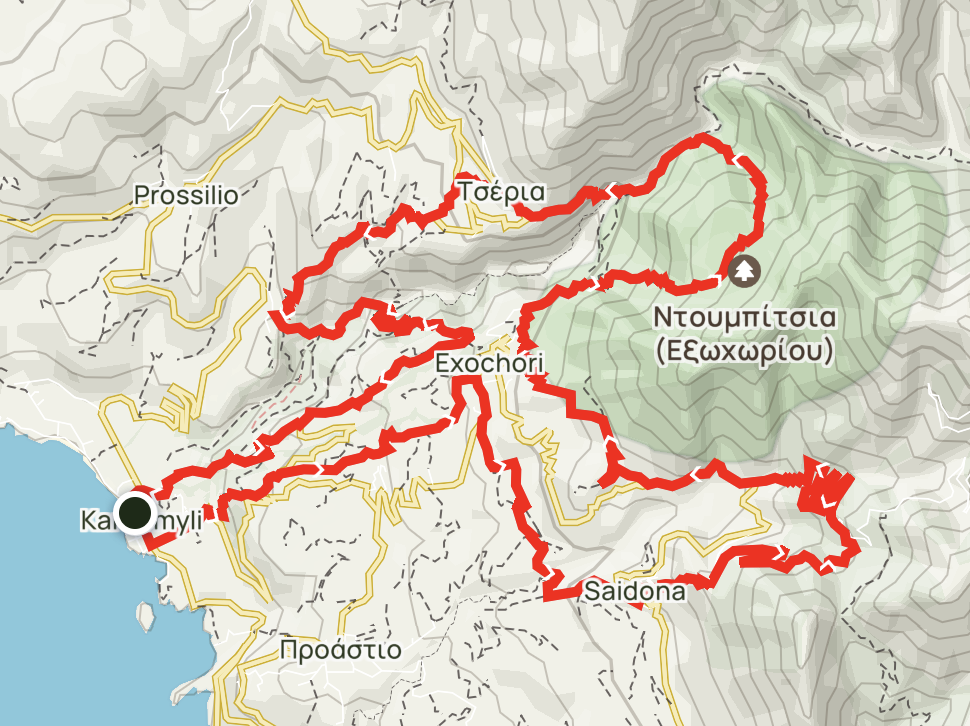
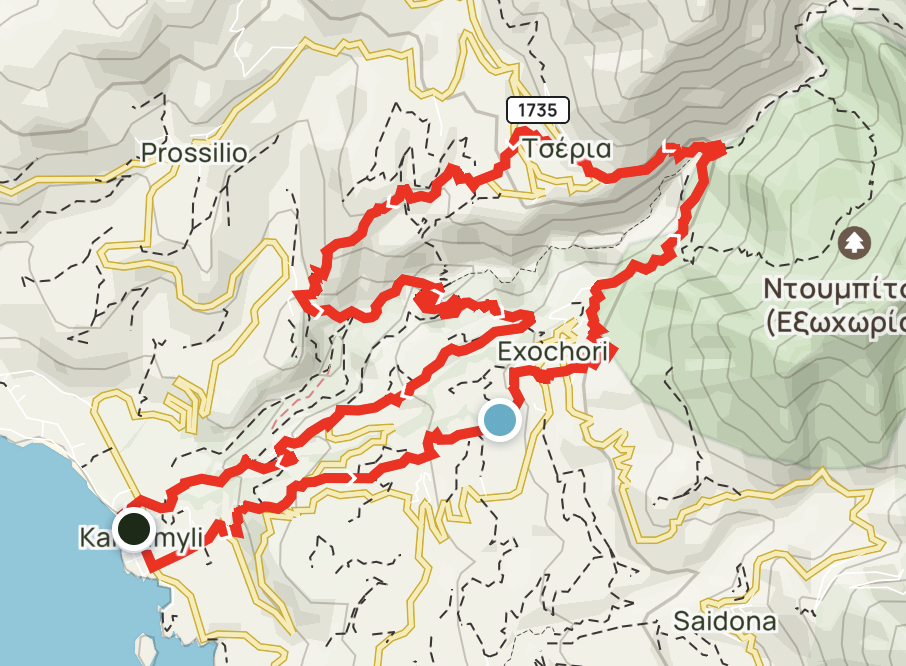
The routes traverse the Viro Gorge, known for its natural beauty and historical significance, as it was once part of the ancient Royal Road linking Sparta to the port of Kardamyli.
Another iconic section of the race and protected area is the Dubitsia plateau, home to unique flora, remnants of the past, terraced landscapes, and ancient structures, all contributing to the natural scenery. This “hidden” corner of Taygetos has been rightfully designated as a “Wildlife Refuge.”
For the past eleven years, the Taygetos Challenge has contributed to the maintenance, enhancement, and promotion of these ancient trails as a significant part of the region’s natural and cultural heritage.
Nearly one-sixth of the land area of Laconia and Messenia, including the Taygetos mountain range, and a large part of the marine zone, have been incorporated into the European Natura 2000 Network, which was created to manage and protect the natural wealth of these areas sustainably. Since 2019, the “Management Body of Protected Areas of Southern Peloponnese–Kythera” has been operating as a non-profit organization dedicated to this mission.
Kostas Teneketzis
Environmental Researcher
MSc in Coastal Zone Management